tabernacle prayer guide
Discover how the Tabernacle Prayer guide transforms worship by echoing ancient temple rituals, offering a structured path to God’s presence․ Rooted in Scripture, it blends confession, gratitude, and reverence, inviting believers to experience the sacred space of the Holy of Holies․ It invites deeper communion․ God․
Definition of Tabernacle Prayer
Tabernacle Prayer, also known as Temple Prayer, is a structured form of worship that mirrors the layout and rituals of the ancient Israelite tabernacle described in the books of Exodus, Leviticus, and Numbers․ It is built on a series of steps that correspond to the physical spaces of the tabernacle: the outer courtyard, the Holy Place, and the Holy of Holies․ Each step involves a specific prayer practice—such as confession, thanksgiving, intercession, and praise—that aligns with the symbolic meaning of the corresponding area․ By following this pattern, believers can experience a tangible sense of progression toward God’s most holy presence, culminating in a moment of reverent silence before the Ark of the Covenant․ The practice is grounded in thousands of biblical passages that emphasize the importance of approaching God with reverence, humility, and intentionality․ Practitioners often use a “Tabernacle Plan” or “Tabernacle Steps” guide to keep the sequence organized, ensuring that each element of the prayer aligns with the spiritual architecture of the original sanctuary․ This method is not merely historical; it is intended to deepen the worshiper’s relationship with God, providing a clear framework for personal and corporate prayer that reflects the covenantal themes of holiness, atonement, and divine presence․ This guide invites believers to move through each step with intentional focus, allowing the heart to be cleansed, the mind to be still, and the spirit to be open, so that the worship experience becomes a living dialogue with God, rooted in the covenantal promise of grace!
Biblical Foundations
Tabernacle Prayer draws its roots from the biblical narrative of the portable sanctuary that Moses built for the Israelites in the wilderness․ The design of the tabernacle, described in Exodus 25–31, is rich with symbolic meaning: the outer courtyard, the Holy Place, and the innermost Holy of Holies․ Each area is associated with a specific function—worship, sacrifice, and the divine presence․ The Ark of the Covenant, placed in the Holy of Holies, represents God’s covenantal presence with His people․ The daily rituals—burning incense, offering sacrifices, and presenting the priestly garments—are recorded in Leviticus and Numbers, illustrating a pattern of approaching God with reverence, confession, and gratitude․ The prophetic literature, especially in Isaiah, echoes the call to “prepare the way for the Lord” and “cleanse the heart” (Isaiah 55:6–7)․ In the New Testament, Jesus is portrayed as the ultimate fulfillment of the tabernacle’s purpose, offering Himself as the new sacrifice and the new covenant (John 1:14, Hebrews 9)․ The early church, as seen in Acts, continued the practice of communal prayer and the use of the tabernacle’s symbolism․ Thus, the Tabernacle Prayer guide is not a modern invention but a continuation of the biblical tradition that invites believers to walk through the same spiritual stages that the Israelites experienced, thereby aligning contemporary worship with the divine architecture of Scripture․ It invites believers to move deliberately, aligning heart, mind, and spirit!
Historical Context
The Tabernacle Prayer guide traces its roots to the ancient Israelite sanctuary, a portable temple that moved with the people․ Its design, described in Exodus, symbolized divine presence and covenant․ Modern worshipers echo these rituals, bridging past and present faith journeys․ A living bridge across ages․ forall
Ancient Tabernacle
The Tabernacle, described in Exodus, was a portable sanctuary that embodied the covenant between God and Israel․ Constructed from cedar, its outer walls were covered with linen and gold, while the inner Holy of Holies was separated by a veil of linen and gold․ The structure measured 30 cubits long, 10 cubits wide, and 10 cubits high, creating an intimate yet awe‑inspiring space․ Key elements included the altar of burnt offerings, the bronze basin for purification, and the bronze lampstand, each symbolizing sacrifice, cleansing, and divine illumination․ The design reflected divine order: the outer court for the people, the Holy Place for priests, and the innermost Holy of Holies where the Ark of the Covenant rested․ Worshipers entered through the outer gate, offering incense, while priests performed daily rituals, including the high‑day sacrifice on the Day of Atonement․ This moving center of worship followed the Israelites during their wilderness journey and later became the foundation for the Jerusalem Temple․ Its furnishings were meticulously crafted, reflecting the divine precision expected in worship․
Every element of the Tabernacle carried theological meaning․ The veil symbolized the separation between humanity and holiness, yet its removal on the Day of Atonement foreshadowed Christ’s redemptive work․ The bronze altar’s fire represented continual worship, while the silver laver signified purification through repentance․ Priests’ garments, embroidered with cherubim, highlighted the holiness required to approach the divine․ These details were instructional, guiding Israelites toward understanding God’s holiness, mercy, and the necessity of mediation․ The Tabernacle’s portable nature underscored God’s willingness to dwell among His people, regardless of circumstances․ Its presence during the Exodus, wandering years, and establishment of Israel’s nationhood made it a central symbol of faith, hope, and covenant fidelity; Studying its design and rituals offers modern believers insights into worship, reverence, and the call to live in continual communion with God․ This architectural and ritual framework continues to inspire contemporary worship practices seeking authentic encounter with God․
Evolution into Contemporary Worship
Moreover, the Tabernacle Prayer guide is used in personal devotionals, small‑group studies, and corporate worship․ Leaders begin services with a “gate” prayer, inviting participants to acknowledge sin and seek forgiveness, echoing Moses’ instructions․ The “court” phase encourages gratitude, while the “Holy Place” invites intercession for community needs․ The “Holy of Holies” fosters intimate communion, often with reflective music or silence․ This progression engages depth expressions worship music today today and testimony!
Spiritual Significance
Tabernacle Prayer guides believers to encounter God’s presence, mirroring the ancient sanctuary’s sacred journey․ By moving from confession to worship, worshipers experience a tangible pathway to the Holy of Holies, deepening faith, humility, and communal devotion․ Renewed covenant today․
Pathway to God’s Presence
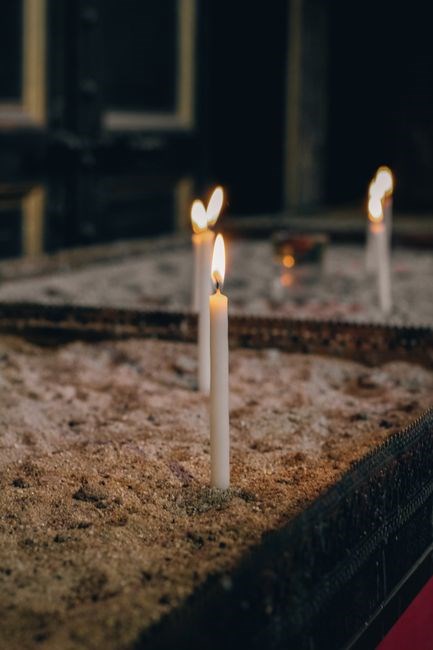
In the Tabernacle Prayer guide, the journey to God’s presence and faith is structured around the ancient sanctuary’s layout mirroring the steps from the outer court to the innermost Holy of Holies․ The guide begins with the outermost area, the courtyard, where believers first acknowledge God’s sovereignty and offer repentance․Moving inward, the next stage focuses on the altar of burnt offerings, encouraging worshipers to present sacrifices of praise and gratitude,symbolizing the cleansing of sin․The third step leads to the veil that separates the Holy Place from the Holy of Holies, prompting a deeper reflection on the mystery of God’s holiness and the need for mediation․ Finally, the guide culminates in the innermost chamber, the Holy of Holies,where the presence of God is most intensely experienced․By following this progression, worshipers experience a tangible, step‑by‑step encounter with the divine, fostering a sense of reverence, humility,and intimate communion with the Creator․ This pathway is rooted in biblical passages such as Exodus 25‑30, Leviticus 16, and Hebrews 9,which describe the tabernacle’s design and its spiritual symbolism․ The guide’s emphasis on intentional preparation, focused prayer,and reverent reverence helps believers move from external ritual to an internal, transformative encounter with God,offering a profound spiritual experience that echoes the ancient covenantal practices of Israel while providing a contemporary framework for modern worship․
The guide also incorporates practical elements such as a suggested order of worship, specific prayers for each area, and reflective questions that help believers internalize the significance of each step;By engaging with these elements, worshipers are encouraged to move beyond mere recitation and enter a dynamic, living dialogue with God, experiencing His presence as both transcendent and immanent․This intentional design transforms ordinary prayer into a sacred pilgrimage, aligning the believer’s heart with the divine rhythm of the ancient tabernacle and inviting a renewed sense of awe and gratitude․
It invites deep communion Israel’s covenantal heart․
Connection to the Holy of Holies
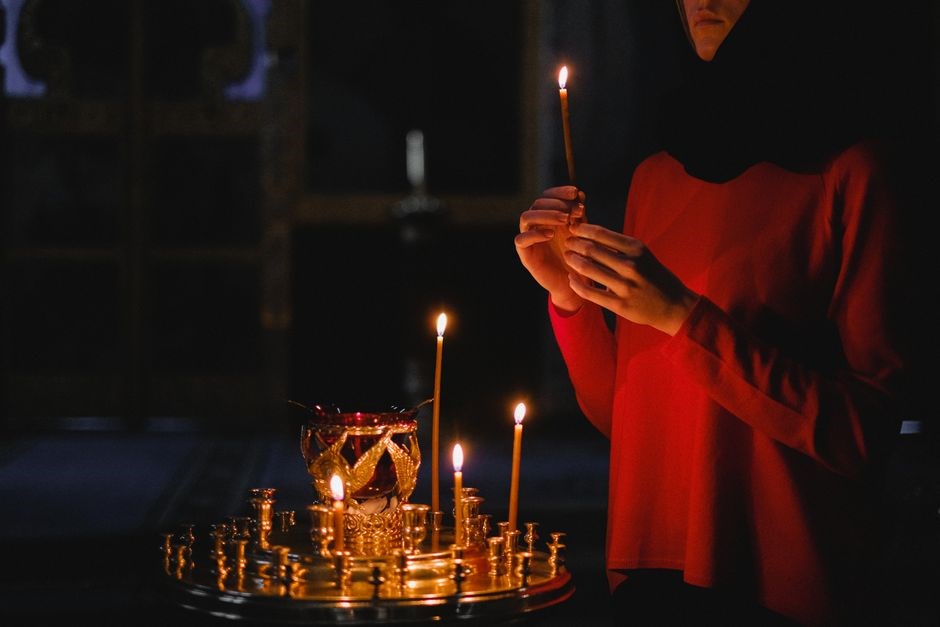
The Tabernacle Prayer guide draws a direct line from the outer sanctuary to the innermost sanctuary, the Holy of Holies, where the presence of God is most intensely felt․ By following the prescribed order of prayers—beginning with confession in the courtyard, moving through the altar of burnt offerings, and finally approaching the veil—practitioners experience a progressive deepening of reverence․ The guide emphasizes the significance of the veil as a symbolic barrier between humanity and the divine, reminding worshipers that the Holy of Holies is reserved for the High Priest’s yearly sacrifice․ In contemporary practice, this is reflected in a moment of silence and focused meditation, allowing the believer to feel the weight of God’s holiness․ Scripture such as Exodus 30:10–11 and Hebrews 9:5–6 underpins this approach, highlighting the necessity of approaching God with humility and purity․ The guide also incorporates specific prayers that echo the language of the original temple rituals, encouraging participants to speak directly to God as He was addressed in the ancient covenant; By integrating these elements, the Tabernacle Prayer guide offers a tangible pathway for believers to connect with the divine center, fostering a sense of awe, gratitude, and intimate communion that transcends time and culture․ This intentional design invites believers to carry the rhythm beyond the sanctuary walls,ensuring that each prayer session becomes a testament to faithdeep hope hopeful and loveechoing the covenant that binds humanity to the Divine․
Practical Guide
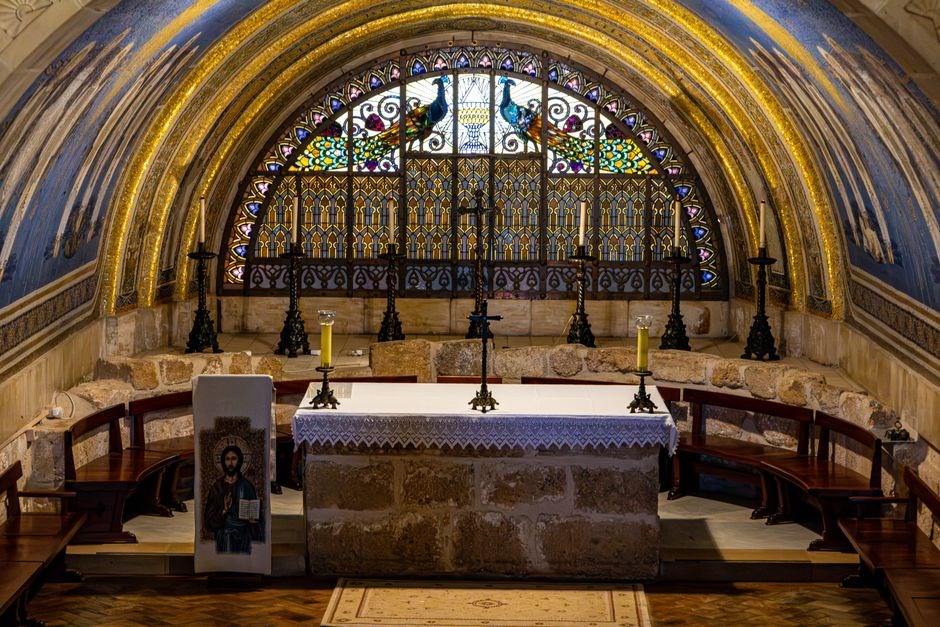
Follow the Tabernacle Plan: 1) Prepare by cleansing mind and heart․ 2) Recite the opening prayer, then move through the steps—confession, gratitude, and offering․ 3) End with a silent communion, echoing the ancient temple’s rhythm․ Practice daily, and let the rhythm guide your soul․ —Amen!!
Preparing for Prayer
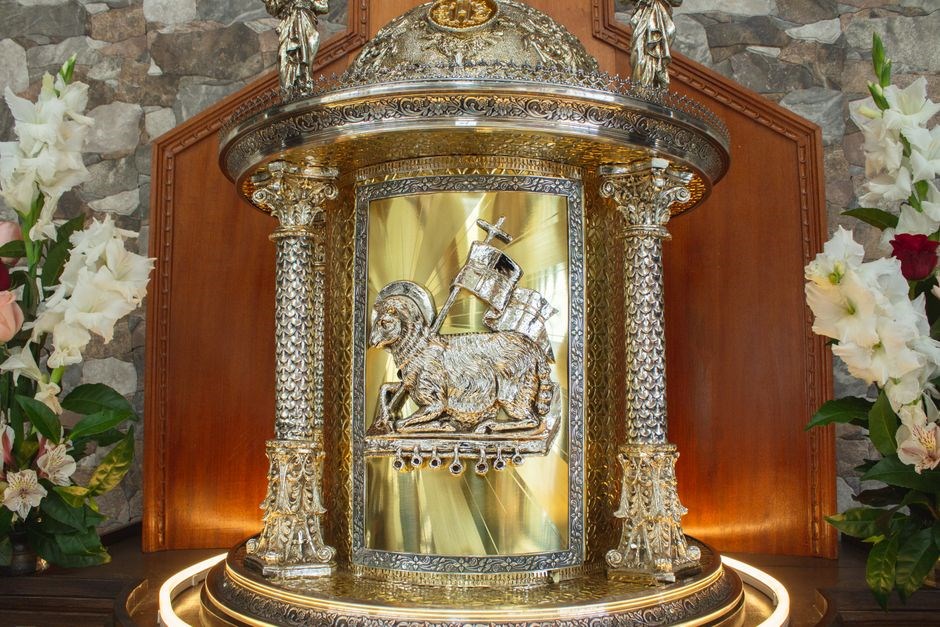
Before you begin the Tabernacle Prayer, set a sacred atmosphere that mirrors the ancient sanctuary․ Find a quiet space where you can focus without interruption, and consider lighting a candle or incense to symbolize the fragrant offerings of the Old Testament․ Arrange a small altar with a cross, a Bible, and a journal for reflections․ The first step is to cleanse your heart: confess any lingering sin, ask for forgiveness, and invite the Holy Spirit to guide your words․ Next, prepare your mind by reading a passage that speaks to the presence of God—perhaps Psalm 23 or Isaiah 57:15․ As you read, let the words settle, and then breathe deeply, allowing the breath to become a prayer in itself․ This breathing exercise helps align your heart with the rhythm of the Tabernacle’s design, where each breath mirrors the measured steps of worshipers․ Once your mind is centered, begin the actual prayer structure․ Begin with a brief opening, acknowledging God’s sovereignty and holiness․ Proceed to the core elements: confession, gratitude, and offering․ In confession, speak honestly about shortcomings, acknowledging the Lord’s presence as a refuge․ In gratitude, list blessings, recognizing that every good gift comes from the divine․ Finally, in offering, present your heart, time, and resources—placing them before the altar․ May this practice deepen your faith․ Blessings abound․ Praise! Amen․
The Tabernacle Plan Steps
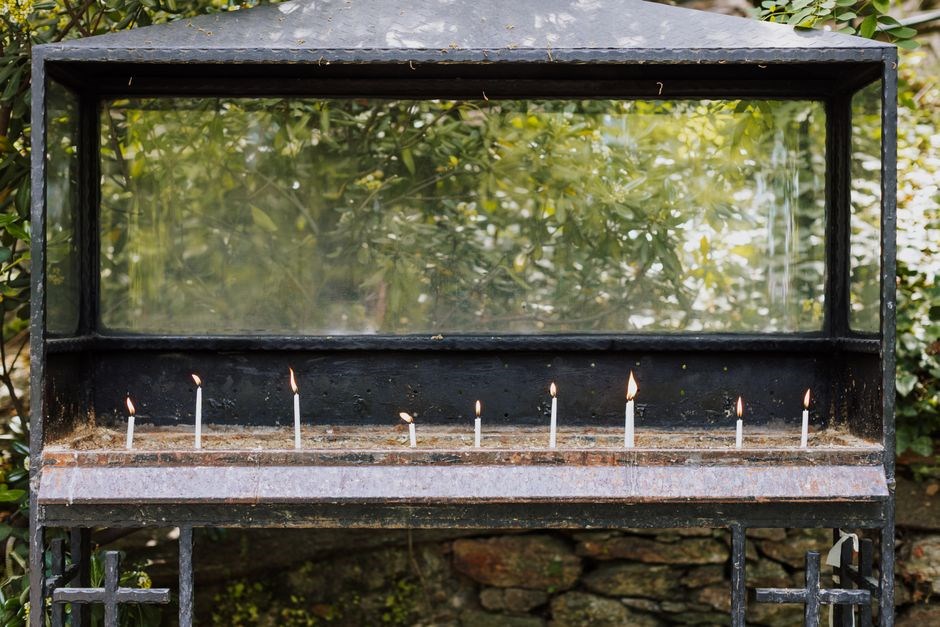
Follow these sequential steps to align your heart with the ancient sanctuary’s rhythm․ 1․ Center yourself: sit upright, close your eyes, and breathe slowly, imagining the veil of the Tabernacle․ 2․ Declare the covenant: recite the promise of God’s presence, echoing the words of the covenant tablets․ 3․ Offer a confession: speak your sins aloud, asking for mercy and cleansing․ 4․ Present gratitude: list blessings, acknowledging God’s provision․ 5․ Make an offering: give a small token—perhaps a candle or a written prayer—to symbolize your devotion․ 6․ Read a Scripture: choose a passage that speaks of God’s holiness, such as Psalm 23 or Isaiah 57:15, and meditate on it․ 7․ Pray for others: lift up the needs of family, friends, and the global community․ 8․ Close with praise: declare God’s greatness, thanking Him for the opportunity to worship․ 9․ Reflect: journal your thoughts, noting any insights or feelings that arise․ 10․ Repeat: revisit this plan weekly, allowing the rhythm of the Tabernacle to shape your spiritual life․ By following these steps, you invite the divine presence into your daily rhythm, experiencing the sacredness of the Tabernacle in a personal and transformative way․ This structured approach encourages intentionality, fostering a deeper sense of reverence and connection that can be shared with a community of believers, strengthening faith and unity․ In practice, this plan becomes a living rhythm, guiding each moment of worship toward the divine center, and inviting believers to experience the ancient covenant anew․ Thus, the Tabernacle Plan becomes a bridge between past and today worship!
Common Practices
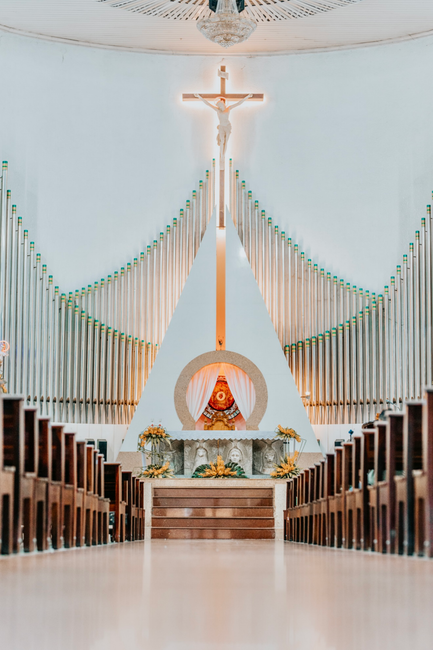
Many believers have discovered that incorporating the Tabernacle pattern into daily devotion yields profound spiritual growth․ The first practice is the “veil opening” ritual, where a small curtain or cloth is drawn aside to symbolize the removal of barriers between the worshiper and God․ This simple act invites a sense of intimacy and prepares the heart for the presence of the Divine․ Next, a “candle offering” is performed, lighting a single candle while reciting a short prayer of gratitude․ The flame’s steady glow serves as a visual reminder of God’s everlasting light․ A third common practice is the “scroll reading” of selected Old‑Testament passages that describe the Tabernacle’s layout, such as Exodus 25 or Leviticus 16․ By meditating on these verses, the worshiper gains a deeper understanding of the sacred space and its symbolism․ A tradition involves the “confession circle,” where participants gather in a circle and share personal confessions aloud, fostering communal accountability and mutual support․ Finally, the “thanksgiving hymn” is sung or spoken, often using traditional hymns that speak of the covenant and the promise of God’s presence․ These practices, when performed regularly, help believers maintain a disciplined, reverent, and focused approach to prayer, echoing the ancient sanctuary’s rhythm while adapting it to contemporary life․ By integrating these rituals into daily devotion, believers find a renewed sense of purpose, a deeper connection to God’s covenant, and a living testimony that the ancient sanctuary’s design continues to guide modern faith, offering hope, healing, and a path toward divine communion!