
building spelling skills grade 6 pdf
Build spelling proficiency with this Grade 6 PDF workbook․ It offers 16 pages of targeted practice‚ over ‚ and daily drills of per week․ Students gain confidence in tricky sounds‚ suffixes‚ and context clues‚ preparing them for state tests․ Adaptable for home or school use․ daily․!!
Purpose‚ Scope‚ and Download Instructions

Designed for sixth‑grade learners‚ this PDF workbook focuses on building spelling mastery through systematic practice․ The purpose is to equip students with the tools to tackle words that feature challenging phonics‚ uncommon endings‚ and irregular spellings․ By integrating lessons on English‚ Latin‚ and Greek prefixes‚ as well as key suffixes‚ the resource supports a comprehensive understanding of word formation․ The scope covers 16 pages of carefully curated exercises that include over 100 grade‑appropriate spelling words․ Each page presents a mix of fill‑in‑the‑blank‚ matching‚ and sentence‑construction tasks that reinforce phonetic patterns and contextual usage․ Daily practice is emphasized with a goal of 18 new words each week‚ totaling over the school year․ Three dictation sentences accompany each word list‚ allowing students to apply spelling skills in authentic writing contexts․ The workbook also highlights synonym recognition and accent discrimination‚ encouraging students to explore nuanced vocabulary differences․ To download‚ place an order through the publisher’s website․ A secure link will appear on the order confirmation page‚ granting instant access to the PDF․ Teachers and parents can print or share the file‚ ensuring flexible use in classrooms or at home․ The material is fully reproducible‚ enabling educators to create multiple copies for group work or individualized assignments․ By following the structured activities‚ learners will develop confidence‚ accuracy‚ and a deeper appreciation for the mechanics of English spelling․ The workbook aligns with state spelling standards‚ ensuring that each exercise targets specific benchmarks․ Assessment checkpoints are embedded after every five pages‚ allowing teachers to gauge progress and adjust instruction accordingly․ The PDF is compatible with all major operating systems and can be opened on Windows‚ macOS‚ iOS‚ and Android devices․ Students can track their weekly progress by marking completed words in a provided log sheet․

Spelling Curriculum Overview
Explore a 30‑unit Grade 6 spelling curriculum that blends word lists‚ contextual drills‚ and teaching strategies․ Each unit aligns with state standards‚ targeting patterns and reinforcing spelling engaging activities․ Designed to boost confidence and test readiness․!!
Unit Structure and Alignment with State Standards
Each of the 30 units in the Grade 6 spelling workbook is meticulously organized to mirror the state’s spelling and vocabulary benchmarks․ A unit begins with a concise objective that states the target phonics pattern or morphological rule‚ followed by a curated list of 10–12 high‑frequency words that exemplify that rule․ Students then engage in a series of scaffolded activities: a quick “sound‑to‑letter” drill‚ a synonym‑matching exercise‚ and a contextual sentence construction task that places the new words in meaningful scenarios․ Assessment checkpoints are embedded after every activity‚ allowing teachers to gauge mastery through instant feedback and optional teacher‑grade rubrics․ The final page of each unit offers a reflective prompt that encourages students to articulate how the new spellings enhance their reading fluency and writing precision․ By aligning every unit with the state’s Common Core and spelling standards‚ the workbook ensures that students not only practice spelling but also develop the analytical skills needed for standardized testing and real‑world communication․
Teachers can customize each unit with optional extensions‚ such as a word‑family chart or a peer‑review station‚ to reinforce learning․ The workbook’s design supports differentiated instruction: advanced learners may tackle irregular spellings‚ while struggling students receive targeted phoneme‑segment drills․ Progress is tracked via a digital dashboard that syncs with the teacher’s LMS‚ ensuring timely intervention and celebration of milestones;
The workbook also integrates cross‑curriculum links‚ connecting spelling to science‚ social studies‚ and arts‚ enriching the learning experience․ Students receive feedback‚ fostering confidence and mastery․

Key Linguistic Concepts Covered
Focus on prefixes‚ suffixes‚ and roots from English‚ Latin‚ and Greek․ Students practice synonym recognition‚ contrast‚ and accent discrimination․ Contextual meaning drills reinforce spelling accuracy and vocabulary depth․ Students analyze word families‚ practice morph․ patterns‚ and deepen understanding․!!
Prefixes and Suffixes (English‚ Latin‚ Greek)

This PDF workbook introduces students to the foundational structure of English through systematic study of prefixes and suffixes drawn from English‚ Latin‚ and Greek roots․ Students encounter common English prefixes such as un‑‚ re‑‚ and dis‑‚ and learn how they alter meaning when attached to base words․ Latin prefixes like pre‑‚ post‑‚ and inter‑ are explored alongside Greek prefixes such as anti‑‚ auto‑‚ and epi‑‚ providing a comparative lens that deepens etymological awareness․
Suffixes are equally emphasized․ The workbook covers productive suffixes that signal part of speech or grammatical function: –able‚ –ful‚ –less‚ –ment‚ –tion‚ –ness‚ and –ous․ Students practice converting nouns to adjectives‚ verbs to nouns‚ and adjectives to adverbs‚ reinforcing morphological patterns that support spelling accuracy․ Each unit presents a word list‚ a definition‚ and a contextual sentence that demonstrates the suffix’s effect on meaning․ Students also learn to recognize when a suffix changes the word’s tense or number․
Through guided practice‚ students analyze word families‚ identify root words‚ and apply prefixes or suffixes to create new terms․ The workbook includes fill‑in‑the‑blank activities‚ matching exercises‚ and sentence construction tasks that require students to choose the correct form based on context clues․ By the end of the unit‚ learners can confidently spell and use words such as unsteady‚ re‑evaluate‚ dis‑agree‚ pre‑empt‚ inter‑state‚ anti‑biotic‚ auto‑matic‚ epi‑center‚ and many more․
Assessment is built into each section with a short quiz that asks students to match prefixes/suffixes to definitions‚ fill in missing letters‚ and write their own example sentences․ Teachers can download printable worksheets‚ track progress‚ and provide targeted feedback․ The structured approach ensures that students not only memorize spellings but also understand the underlying linguistic logic that governs word formation․ Students gain confidence․ You win!
Synonym Recognition and Contrast
This PDF workbook equips Grade 6 students with systematic strategies for identifying synonyms and discerning subtle differences in meaning․ By engaging with a curated list of 80 high‑frequency pairs—such as “rapid” vs․ “swift‚” “diligent” vs․ “assiduous‚” and “sudden” vs․ “unexpected”—students practice distinguishing nuance while reinforcing spelling accuracy․ Each unit presents a short definition‚ a contextual sentence‚ and a fill‑in‑the‑blank exercise that requires selecting the correct synonym based on tone‚ formality‚ or connotation․ Students also complete a “contrast chart” activity‚ where they list each pair‚ note the shared root‚ and record distinguishing features․ This visual aid helps solidify the relationship between spelling and meaning․ The workbook incorporates spaced‑repetition drills: after initial exposure‚ students revisit each pair in subsequent weeks‚ ensuring retention․ Teachers can download printable worksheets that include a self‑check rubric‚ allowing learners to assess their own understanding before submitting․ By the end of the module‚ students will confidently choose the appropriate synonym in writing‚ thereby enhancing both their spelling repertoire and expressive precision․ Students will also engage in peer review sessions‚ where they compare synonym choices and justify their selections‚ fostering collaborative learning․ This process reinforces both spelling and critical thinking․ You win!

Pronunciation and Accent Discrimination
Students learn to detect subtle phonetic shifts that alter meaning‚ such as the difference between “record” (noun) and “record” (verb) or “project” (noun) and “project” (verb)․ The PDF workbook presents a series of audio‑guided drills where learners listen to paired words and mark the stress pattern․ Each drill includes a phoneme chart‚ a short definition‚ and a fill‑in‑the‑blank sentence that requires the correct pronunciation to make sense․ Teachers can play the audio files‚ pause‚ and have students repeat‚ ensuring accurate articulation․ The workbook also features “accent discrimination” activities that focus on vowel quality changes in words like “café” vs․ “cafe” and “résumé” vs․ “resume․” Students practice transcribing the International Phonetic Alphabet symbols for each variant‚ reinforcing the link between spelling and sound․ Additionally‚ the workbook incorporates a “listen‑write” exercise: students listen to a sentence‚ write the spelled word‚ and underline the stressed syllable․ This reinforces both spelling accuracy and rhythmic awareness․ By the end of the unit‚ learners will confidently identify pronunciation differences‚ apply correct stress‚ and spell words that differ only by accent or stress‚ thereby improving reading fluency and writing precision․ Students will also practice reading aloud in varied contexts‚ reinforcing stress patterns and enhancing listening skills․ By integrating these skills‚ students build a base that supports reading and academic success daily․

Practice Materials and Activities
The PDF offers 16 pages of targeted spelling drills‚ over ‚ and daily 18‑word lists․ Activities include fill‑in‑the‑blank‚ context clues‚ and dictation sentences․ Reproducible worksheets allow teachers to assess progress and adapt lessons․ Daily review!!․
Worksheet Length and Word List (16 pages‚ 100+ words)
Each PDF workbook spans 16 pages‚ carefully organized into sections that guide students through progressively challenging spelling patterns․ The collection features more than 100 carefully selected words that align with the sixth‑grade curriculum and state standards․ Students encounter a balanced mix of common roots‚ prefixes‚ and suffixes‚ ensuring exposure to English‚ Latin‚ and Greek derivations․ The layout includes short fill‑in‑the‑blank exercises‚ sentence‑completion tasks‚ and word‑search puzzles that reinforce phonetic awareness and contextual usage․ Assessment is built in through a quick self‑check section at the end of each page‚ where students tally correct responses and reflect on patterns they still struggle with․ This structure promotes metacognition and encourages students to track progress over time․ Each page concludes with a brief reflection prompt‚ encouraging students to analyze spelling patterns and identify personal learning goals․ Students also receive a progress tracker daily!
Contextual and Meaning-Based Activities
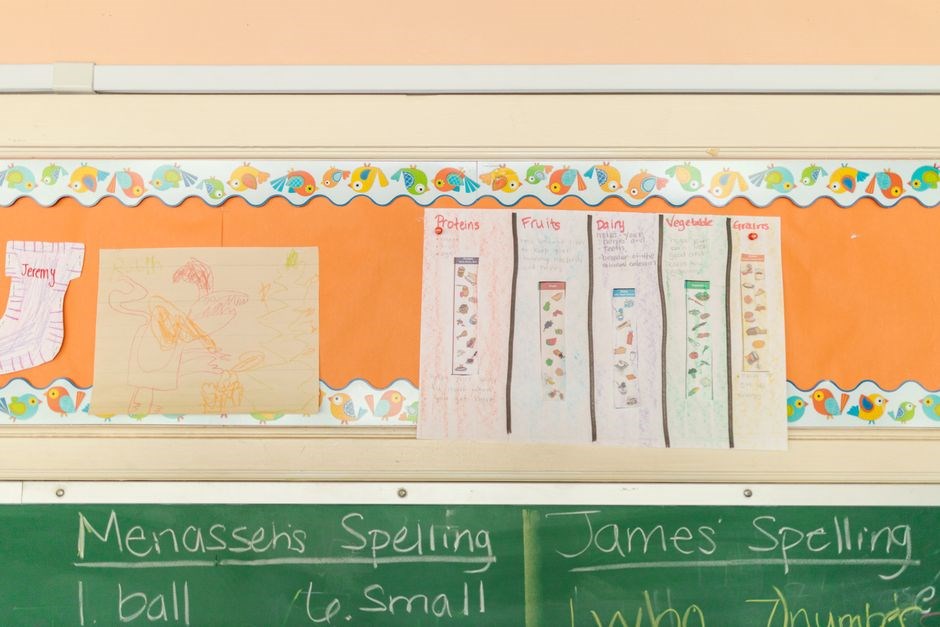
Students engage in real‑world sentence construction‚ matching words to definitions‚ and creating short stories that incorporate target spellings․ Each page offers a “Word‑in‑Context” box where learners replace a bolded term with its correct spelling‚ reinforcing meaning and usage․ The workbook also includes a “Synonym Swap” exercise‚ prompting students to choose the right word from a list that best fits the sentence‚ sharpening both spelling accuracy and vocabulary depth․ Interactive quizzes prompt learners to identify the correct spelling in a multiple‑choice format‚ with instant feedback that explains phonetic cues and etymological roots․ A “Word Map” activity encourages students to draw connections between a root‚ its prefixes‚ and suffixes‚ visually mapping how meaning shifts with spelling changes․ Finally‚ a “Daily Journal” prompt asks students to write a brief paragraph using at least five new words‚ encouraging reflective practice and contextual retention․ These activities are designed to integrate spelling instruction seamlessly into reading and writing‚ ensuring that mastery is achieved through meaningful application․
Daily Practice: per Week and Dictation Sentences
Every week‚ students tackle 18 carefully chosen spelling words‚ accumulating 540 across the curriculum․ For each list‚ the workbook supplies three short dictation sentences that students first listen to‚ then transcribe‚ honing both auditory recognition and fine‑motor writing․ After writing‚ they compare their work to a provided answer key‚ noting errors and revising to reinforce accuracy․ This cycle strengthens phonemic awareness‚ spelling precision‚ and punctuation usage․ Teachers can adjust pacing by extending the listening portion or adding a peer‑review step‚ ensuring each learner stays challenged yet supported․ The consistent 18‑word schedule prevents overload while promoting steady progress․ Students also receive a weekly reflection sheet to record challenges and strategies‚ fostering metacognitive awareness․ Collaboration is encouraged through paired dictation practice‚ building confidence and reinforcing correct spelling by teaching peers․ Progress is tracked via a simple chart marking each word as mastered or needing review‚ allowing teachers to quickly identify patterns and tailor interventions․ The workbook aligns with state spelling standards‚ ensuring daily practice meets assessment benchmarks․ By embedding dictation into everyday routines‚ the resource transforms drills into meaningful learning experiences that students can apply across subjects․ A digital companion offers audio recordings of each sentence‚ enabling independent practice at home or on the go‚ and catering to diverse learning preferences for maximum retention․ Additionally‚ optional challenge sets for advanced learners provide extra practice without disrupting the core framework‚ ensuring differentiated instruction for all skill levels․ Teachers can also use the workbook’s printable worksheets to create formative quizzes‚ giving immediate feedback and reinforcing mastery․ The workbook’s design incorporates mnemonic devices and etymological notes‚ helping students remember root meanings and spelling patterns․ By linking new words to familiar concepts‚ learners build a robust mental lexicon that supports both spelling and vocabulary growth․ The structured daily practice‚ combined with contextual activities‚ ensures that students not only spell correctly but also understand the words’ meanings and usage․ This holistic approach prepares them for state assessments and real‑world communication‚ making spelling a confident‚ enjoyable skill rather than a tedious task․

Teaching Strategies and Teacher Resources
Teachers receive downloadable worksheets‚ printable lesson plans‚ and assessment rubrics․ The PDF offers reproducible sheets‚ daily word lists‚ and progress charts․ Interactive activities support differentiated instruction‚ while built‑in quizzes track mastery and guide targeted feedback for all learners!
Teacher Resources‚ Reproducible Worksheets‚ and Assessment Mechanisms

Each Grade 6 spelling PDF bundle includes fully printable worksheets that teachers can duplicate for classroom use or home‑study packets․ The sheets are organized by unit‚ with clear headings‚ word lists‚ and fill‑in activities that reinforce phonics‚ prefixes‚ suffixes‚ and contextual clues․ Teachers can copy the pages directly from the PDF‚ ensuring consistent formatting and easy distribution․ Additionally‚ the resource pack supplies a set of assessment tools: weekly progress trackers‚ end‑of‑unit quizzes‚ and a master rubric that aligns with state spelling standards․ The rubric provides criteria for accuracy‚ usage in sentences‚ and self‑correction skills‚ allowing educators to give targeted feedback․ Digital versions of the worksheets are available in editable formats (Word‚ Google Docs) so teachers can customize word lists or add teacher‑generated examples․ The PDF also includes a teacher’s guide that outlines pacing strategies‚ differentiation techniques‚ and suggested group work activities․ With these resources‚ educators can efficiently monitor student growth‚ adapt instruction to individual needs‚ and maintain high engagement throughout the spelling curriculum․ The guide further offers suggestions for integrating technology‚ such as using online spelling games and collaborative platforms‚ to reinforce learning․ Teachers are encouraged to use the built‑in reflection prompts at the end of each unit to assess their own instructional effectiveness and to plan for the next cycle․ By combining reproducible worksheets‚ structured assessment mechanisms‚ and flexible teaching strategies‚ this PDF provides a comprehensive toolkit that supports both novice and experienced educators in building robust spelling skills for sixth‑grade learners․