walther p22 instruction manual
This manual details safe operation and maintenance of the Walther P22‚ a semi-automatic pistol. It covers loading‚ firing‚ disassembly‚ and crucial safety guidelines for responsible handling.
Overview of the Walther P22 Pistol
The Walther P22 is a popular .22 Long Rifle semi-automatic pistol‚ known for its reliability and suitability for training‚ sport shooting‚ and small game hunting. This pistol features a polymer frame and a metal slide‚ offering a balance of durability and lightweight handling.
As outlined in available manuals‚ the P22 operates on a simple blowback system. Understanding its components – slide‚ muzzle‚ trigger‚ and magazine – is crucial for safe and effective use. The manual emphasizes single-action operation‚ requiring the hammer to be cocked before each shot. Proper cleaning and lubrication‚ detailed within the instructions‚ are vital for maintaining functionality and preventing malfunctions.
The Walther P22’s design prioritizes ease of disassembly for maintenance‚ with a takedown procedure involving a takedown lever and slide retraction.
Historical Context and Development
The Walther P22 emerged as a modern sporting pistol‚ building upon Walther’s long-standing reputation for firearm innovation. While specific detailed historical development information isn’t readily available within the provided manual excerpts‚ the pistol’s design reflects a focus on accessibility and ease of use for new shooters.
The availability of downloadable manuals‚ like those found on the Internet Archive‚ indicates a sustained interest in the P22 and a need for readily accessible operational guidance. These resources‚ uploaded as recently as 2021‚ demonstrate ongoing support for owners.
The pistol’s chambering in .22LR positions it as a cost-effective training tool and recreational firearm‚ aligning with Walther’s broader product line. The manual’s emphasis on proper handling and maintenance suggests a commitment to user safety and longevity of the firearm.
Safety Precautions
Always prioritize safe handling practices when operating the Walther P22. The manual stresses responsible firearm use‚ covering loading‚ firing‚ and maintenance procedures.
Essential Safety Rules
Prior to handling the Walther P22‚ thoroughly familiarize yourself with all safety instructions detailed within this manual. Always treat every firearm as if it is loaded. Keep your finger off the trigger until you are ready to fire‚ maintaining a clear line of sight.
Never point the muzzle at anything you are not intending to shoot. Be certain of your target and what is beyond it. Store the P22 unloaded‚ in a secure location inaccessible to unauthorized individuals‚ especially children.
Always wear appropriate eye and ear protection during shooting. Regularly inspect the firearm for any signs of damage or malfunction. If unsure about any aspect of operation‚ consult a qualified gunsmith.
Ammunition Considerations
The Walther P22 is specifically designed for .22 Long Rifle (.22 l.r.) ammunition. Utilizing any other caliber can result in serious firearm damage‚ injury‚ or even death. Always verify the ammunition type before loading the magazine.
Use only high-quality ammunition from reputable manufacturers to ensure reliable operation and accuracy. Avoid using damaged‚ corroded‚ or reloaded ammunition. Inspect each cartridge for any defects before inserting it into the magazine.
Be aware that different ammunition brands and bullet weights may affect the pistol’s performance. Store ammunition in a cool‚ dry place‚ separate from the firearm.
Operating Instructions
Properly loading‚ firing‚ and unloading the Walther P22 requires careful attention to detail. This section provides step-by-step guidance for safe and effective operation.
Loading and Unloading the Walther P22
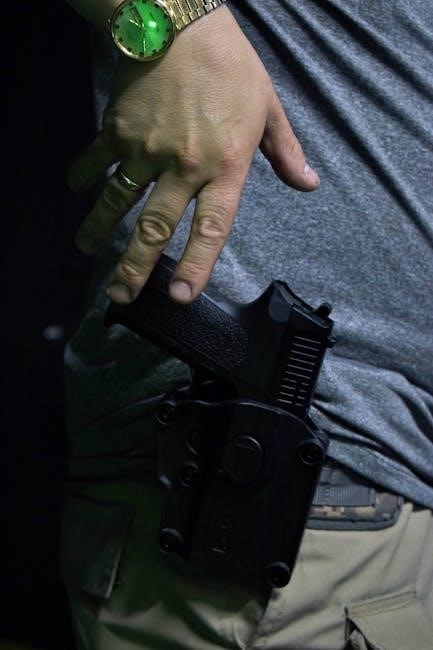
Before handling the Walther P22‚ always ensure it is unloaded and pointed in a safe direction. To load‚ insert a magazine into the magazine well until it clicks securely. Pull the slide fully to the rear and release to chamber a round. Confirm the pistol is functioning in single action before firing.
To unload‚ remove the magazine by pressing the magazine release button. Rack the slide several times to eject any chambered round onto the ground‚ ensuring the muzzle is pointed safely. Visually inspect the chamber to confirm it is empty. Double-check the magazine well is also clear before proceeding with further handling or storage. Always follow these steps diligently.
Single Action Operation
The Walther P22 operates primarily in single action mode. This means the hammer must be cocked before each shot‚ either manually or by racking the slide. After chambering a round‚ the pistol is ready to fire with a single trigger pull. Ensure a firm grip and proper sight alignment before squeezing the trigger smoothly.
To manually cock the hammer‚ pull it back until it locks into the cocked position. The pistol is now in single action mode and ready to fire. Remember to maintain a safe finger position on the trigger guard until ready to shoot. Consistent practice will enhance accuracy and familiarity with this operating mode.
Firing the Pistol
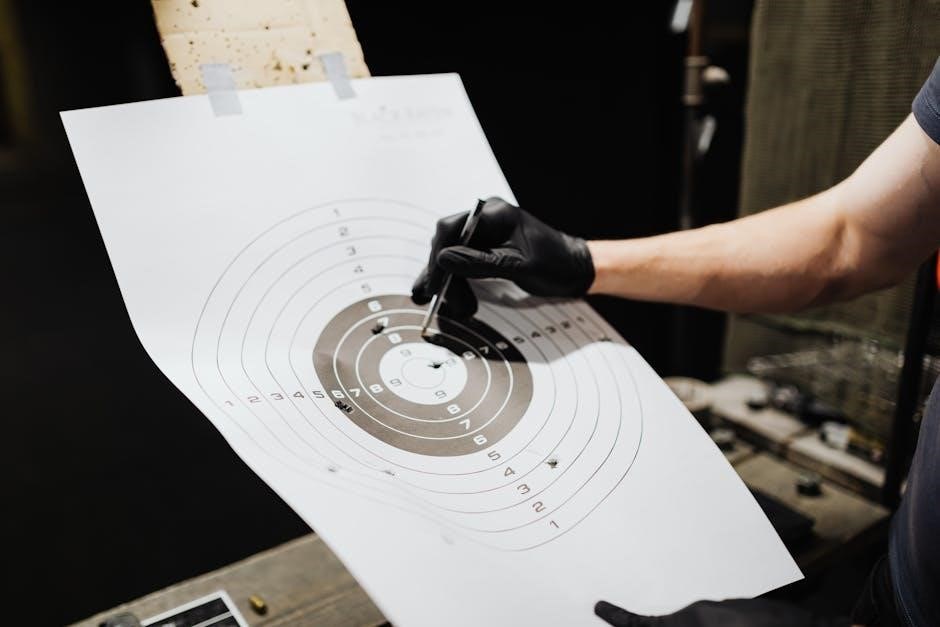
Before firing‚ confirm a safe backstop and adhere to all firearm safety rules. Assume a stable shooting stance‚ ensuring a firm grip with both hands. Align the sights on your target‚ focusing on the front sight for optimal accuracy. Slowly and smoothly squeeze the trigger‚ avoiding jerking or anticipating the shot.
Follow through with your grip and sight alignment after the shot is fired. This helps maintain consistency and improves subsequent shot placement. Be aware of recoil and allow the pistol to return to its natural position before firing again. Practice proper breathing techniques to minimize movement during the firing process.

Disassembly and Reassembly
Disassembly involves pressing the takedown lever‚ cocking the hammer‚ and retracting the slide. Reassembly is simply the reverse of this procedure‚ ensuring proper function.
Takedown Procedure
Before initiating disassembly‚ always ensure the Walther P22 is unloaded. This is a paramount safety precaution. Begin by pressing down on the takedown lever‚ located on the pistol’s frame. Simultaneously‚ cock the hammer to the rear position. With the takedown lever depressed‚ fully retract the slide to the rear.
Once retracted‚ carefully lift the rear section of the slide upwards‚ allowing it to clear the receiver. Gently push the slide forward off the receiver rails. This action exposes the guide rod‚ which is the next component to be removed. Remember to proceed slowly and deliberately‚ avoiding any forceful movements that could damage the firearm. Proper execution of these steps ensures a safe and efficient takedown process.
Slide Removal and Guide Rod
With the slide detached from the receiver‚ attention turns to removing the guide rod. This component is crucial for proper slide operation. Carefully grasp the guide rod and gently pull it forward‚ releasing it from its seat within the slide. Note the orientation of the guide rod and its associated spring for correct reassembly later.
The slide itself can now be fully separated from the frame. Inspect the slide rails for any debris or fouling‚ which should be cleaned before reassembly. Proper removal of the guide rod and slide allows for thorough cleaning and inspection of these vital parts‚ contributing to the pistol’s reliable function.
Reassembly Steps
Reassembly is essentially the reverse of disassembly. Begin by carefully inserting the guide rod back into its designated slot within the slide‚ ensuring the spring is properly seated. Next‚ align the slide rails with the frame rails and gently push the slide forward onto the receiver.
Confirm the slide moves smoothly along the rails. Finally‚ cycle the slide several times to verify proper function and ensure all components are correctly aligned. Remember to test the takedown lever to confirm it operates correctly after reassembly‚ securing the slide to the frame.
Maintenance and Cleaning
Regular cleaning removes fouling and ensures reliable function. Disassemble as instructed‚ remove debris‚ and follow lubrication guidelines for optimal performance and longevity.
Cleaning Procedures
Before cleaning‚ always ensure the Walther P22 is unloaded. Disassemble the pistol following the takedown procedure outlined in the manual. Remove the slide‚ guide rod‚ and magazine. Use a cleaning rod and appropriate solvent to remove fouling from the barrel‚ chamber‚ and slide rails.
Pay close attention to the breech face and feed ramp‚ ensuring they are free of carbon buildup. Wipe down all metal surfaces with a clean‚ lightly oiled cloth. Inspect the magazine for debris and clean as needed. A thorough cleaning after each use will significantly extend the life and reliability of your Walther P22.
Lubrication Guidelines
Proper lubrication is vital for smooth operation and longevity of the Walther P22. After cleaning‚ apply a light coat of high-quality gun oil to the slide rails‚ guide rod‚ and contact points of the trigger mechanism. Avoid over-lubrication‚ as excess oil can attract dirt and grime.
A small drop of oil on the barrel exterior and the locking lugs is also recommended. Ensure the oil is evenly distributed. Regularly inspect lubrication levels‚ especially after exposure to harsh conditions; Consistent‚ moderate lubrication will prevent wear and ensure reliable performance of your firearm.
Regular Inspection Points
Consistent inspection is crucial for maintaining the Walther P22’s reliability and safety. Before each use‚ visually examine the barrel for obstructions and ensure the slide moves freely. Check the trigger for a smooth pull and reset.
Inspect the magazine for damage or wear‚ and verify proper ammunition feeding. Regularly examine the frame and slide for any signs of cracks or deformation. Pay close attention to the takedown lever and ensure it functions correctly. A thorough inspection before each shooting session will help identify potential issues early on;
Troubleshooting Common Issues
Addressing malfunctions like failure to feed or eject is vital. This section details solutions for common problems‚ ensuring safe and reliable operation of your Walther P22.
Failure to Feed
A failure to feed occurs when a cartridge doesn’t properly move from the magazine into the chamber. Several factors can contribute to this issue with the Walther P22. First‚ ensure the magazine is correctly seated and not damaged. Inspect the ammunition; dirty‚ damaged‚ or incorrect ammunition types can cause feeding problems.
Verify the chamber is free of obstructions. A dirty or poorly lubricated slide can also hinder proper function. Confirm the slide is fully retracting and engaging the next round. If the issue persists‚ carefully disassemble and inspect the magazine disassembly for any debris or malfunctions. Always prioritize safety during troubleshooting and consult a qualified gunsmith if needed.
Failure to Eject
A failure to eject means a spent cartridge casing isn’t fully removed from the chamber after firing. This can stem from a weak extractor or ejector‚ or a build-up of fouling within the ejection port. Inspect the extractor claw for damage or debris‚ ensuring it firmly grips the rim of the cartridge.
Check the ejector for proper spring tension and functionality. A dirty or poorly lubricated slide can also impede the ejection process. Thoroughly clean the firearm‚ paying close attention to the ejection port and surrounding areas. If the problem continues‚ a professional gunsmith should examine the extractor and ejector for wear or damage.
Hammer Issues
Problems with the hammer typically involve it not cocking‚ not staying cocked‚ or failing to release properly. A sticky hammer can often be resolved with thorough cleaning and lubrication of the hammer strut and associated components. Ensure the takedown lever is fully engaged during disassembly and reassembly‚ as this impacts hammer function.
If the hammer doesn’t stay cocked‚ inspect the sear engagement surface for debris or damage. A worn sear can also cause this issue‚ requiring professional attention. Always ensure the hammer is functioning correctly before attempting to fire the pistol‚ prioritizing safety above all else.
Components and Parts
The Walther P22 consists of a slide‚ muzzle‚ trigger mechanism‚ and magazine. Understanding these key parts is essential for proper disassembly‚ maintenance‚ and safe operation.
Slide and Muzzle
The slide of the Walther P22 is a critical component‚ housing the firing pin and functioning during cycling. Retracting the slide chambers a round and ejects spent casings. Proper slide function ensures reliable operation. During takedown‚ fully retract the slide before lifting its rear section forward off the receiver‚ as detailed in the manual.
The muzzle‚ located at the front of the barrel‚ directs the projectile. Maintaining a clear muzzle is paramount for safety. Regularly inspect the muzzle for obstructions. The slide and muzzle work in tandem to provide accurate and safe shooting. Careful handling during disassembly and reassembly is crucial to avoid damage or malfunction.
Trigger Mechanism
The Walther P22 utilizes a trigger mechanism designed for both single and potentially double-action operation‚ though primarily single-action as described in operating instructions. Understanding its function is vital for safe and accurate shooting. The trigger releases the hammer‚ initiating the firing sequence.
Proper trigger control – smooth‚ consistent pressure – is essential for precision. The manual emphasizes safe handling practices concerning the trigger. Inspecting the trigger for smooth operation is part of regular maintenance. Any unusual resistance or looseness should be addressed immediately. Familiarize yourself with the trigger’s feel before live firing.
Magazine Details
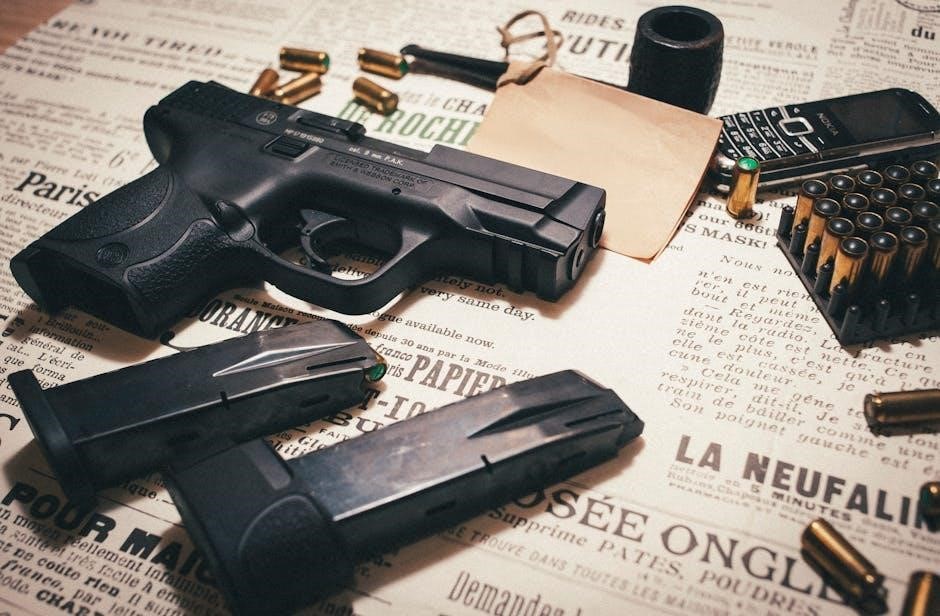
The Walther P22 magazine is a critical component‚ housing the ammunition and feeding it into the chamber. The manual details proper loading procedures‚ emphasizing not to overfill the magazine‚ which can cause malfunctions. Regularly inspect the magazine for damage‚ such as cracks or bent feed lips‚ which can hinder reliable operation.
Disassembly of the magazine for cleaning should be done carefully‚ following the instructions in the manual. Ensure the magazine is empty before any disassembly. Proper magazine maintenance is crucial for consistent feeding and preventing failures during shooting. Always use genuine Walther P22 magazines for optimal performance.