
blazer size guide
Understanding Blazer Sizing: A Comprehensive Guide (Updated 02/03/2026)
Navigating blazer sizes requires understanding key measurements and fit styles for both men and women, ensuring a polished look.
This guide details charts and conversions for optimal fit!

Achieving the perfect blazer fit is crucial for a sophisticated appearance. Unlike off-the-rack suits, blazers offer versatility, but proper sizing is paramount.
Understanding how a blazer should drape – comfortably across the shoulders, with a defined waist – is key.
Missed opportunities for a flattering fit often stem from incorrect measurements or disregarding fit styles.
A well-fitted blazer enhances your silhouette, while a poorly sized one can appear sloppy.
This guide will empower you to confidently select a blazer that complements your body type and personal style, avoiding common pitfalls.
Blazer Sizing Differences: Men vs. Women
Men’s and women’s blazer sizing diverge significantly due to differing body shapes. Men’s sizes typically focus on chest and shoulder measurements, translating to letter sizes (S, M, L).
Women’s sizing incorporates bust and waist measurements, often using numeric sizes (6, 8, 10).
Generally, a women’s size M corresponds to a 36-38 inch bust, while a men’s M is around a 39-41 inch chest.
However, variations exist between brands, necessitating careful chart consultation. Women’s blazers are often more tailored at the waist, while men’s offer a straighter cut.
Key Measurements for Blazer Size
Accurate blazer sizing hinges on three crucial measurements: chest/bust, shoulders, and sleeve length. The chest (men) or bust (women) determines the body width the blazer needs to accommodate.
Shoulder measurement, taken across the back, ensures a comfortable fit and prevents pulling.
Sleeve length is vital for proportion; it should end at the wrist bone. Measuring these accurately, ideally with assistance, is paramount for finding the right size and avoiding alterations.
Chest Measurement
For men, the chest measurement is taken at the fullest part of the chest, keeping the tape measure level and under the armpits. Exhale naturally during measurement for accuracy.
This measurement, typically in inches, directly correlates to standard blazer sizes like 36R, 38R, and 40R.
For women, measure around the fullest part of the bust, wearing a lightly padded bra if desired. This bust measurement is then used to determine the appropriate blazer size, often referencing size charts.
Shoulder Measurement
The shoulder measurement is crucial for blazer fit, determining how the jacket sits across your upper back. Measure from the outer edge of one shoulder to the outer edge of the other, across the back.
Ensure the tape measure follows the natural curve of your shoulders. This measurement, often used in conjunction with chest size, helps pinpoint the correct blazer size. A proper shoulder fit prevents pulling or bunching, contributing to a streamlined silhouette.
Sleeve Length Measurement
Accurate sleeve length is vital for a polished blazer appearance. Measure from the shoulder point – where the shoulder seam meets the sleeve – down to your wrist bone.
Keep your arm slightly bent during measurement; Typically, about ½ to ¾ inch of shirt cuff should be visible below the blazer sleeve. Variations exist (regular, short, long) to accommodate different arm lengths, ensuring comfort and a tailored look.
Men’s Blazer Size Chart
Understanding men’s blazer sizing involves correlating chest and shoulder measurements to standard US/UK sizes. A typical chart features sizes ranging from 36R to 46R, with ‘R’ denoting regular fit.
Converting chest size is crucial; for example, a 39-41 inch chest often corresponds to a size Medium. Blazer sizing relates to suit sizing, but blazers offer more flexibility in fit. Always consult specific brand charts for accuracy.
Standard US/UK Men’s Blazer Sizes
Generally, US/UK men’s blazer sizes begin at 36, progressing in two-inch increments up to 46 or even 48. These sizes typically align with chest measurements, though variations exist between brands.
Common sizes include 38R, 40R, 42R, and 44R, where ‘R’ signifies a regular fit. Shorter or taller builds may require ‘S’ (short) or ‘L’ (long) variations. Accurate measurement is key to selecting the correct size for a flattering silhouette.
Converting Chest Size to Blazer Size (Men’s)
To convert chest size to a men’s blazer size, a general guideline is to add 6-8 inches to your actual chest measurement. For example, a 36-inch chest typically corresponds to a 42 or 44 blazer size.
However, this is a starting point; always consult the specific brand’s size chart as fits vary. Consider your build – a broader chest might necessitate sizing up, while a slimmer build could benefit from sizing down for a tailored appearance;
Understanding Men’s Suit Sizing & Blazer Relation
A blazer often shares sizing with a suit jacket, but isn’t always a direct match. Suit sizing typically reflects chest and waist measurements, while blazers prioritize shoulder fit and overall silhouette.
If you know your suit jacket size, it’s a good starting point for a blazer, but try it on to confirm. Blazers are often worn separately, so a slightly more relaxed fit can be preferable compared to the structured fit of a suit jacket.
Women’s Blazer Size Chart
Women’s blazer sizing considers bust and waist measurements, differing from standard dress sizes. Common sizes range from XS to XXL, often correlating to bust measurements like 36-38 inches for a Medium, and 41-43 inches for an XL.
However, variations exist between brands, so consulting specific charts is crucial. Shoulder fit is also vital, impacting how the blazer drapes. Always check sleeve length for a proportionate look!
Standard US/UK Women’s Blazer Sizes

Generally, US and UK women’s blazer sizes align, though slight differences can occur. Typical sizes begin at 6 (US) / 8 (UK), progressing through 16 (US) / 18 (UK) and beyond. These often correspond to bust measurements, with size 10 (US/UK) around 36-38 inches.
However, waist measurements also play a role, especially for fitted blazers. Always prioritize trying on or checking brand-specific charts to ensure an accurate fit, as sizing isn’t universally standardized.
Converting Bust/Waist Size to Blazer Size (Women’s)
For women, a bust measurement of 39-41 inches generally translates to a size Medium blazer, while 42-44 inches often corresponds to a Large. Waist size is crucial for tailored fits; a 38-40 inch waist may pair with a size L.
However, these are estimates! Consider your body shape – an hourglass figure might need a different size than a straighter build. Always consult the specific brand’s size chart for the most accurate conversion;
Blazer Fit Styles: Classic, Slim, Modern
Blazer fits significantly impact overall appearance. Classic fit blazers offer a relaxed silhouette through the shoulders and chest, providing comfort and ease of movement. Slim fit blazers are more tailored, hugging the body closely for a modern, streamlined look.
Modern fit strikes a balance, offering a defined shape without feeling restrictive. Choosing the right fit depends on personal preference and body type, influencing how the blazer drapes and flatters.
Classic Fit Blazers

Classic fit blazers embody timeless style and comfort. Characterized by a looser cut, they provide ample room in the chest and shoulders, allowing for layering without restriction. This silhouette is ideal for those preferring a relaxed, traditional aesthetic.
They often feature a single-breasted design and a natural shoulder line, creating a universally flattering shape. Classic blazers are versatile, suitable for both formal and casual occasions, offering enduring sophistication.
Slim Fit Blazers
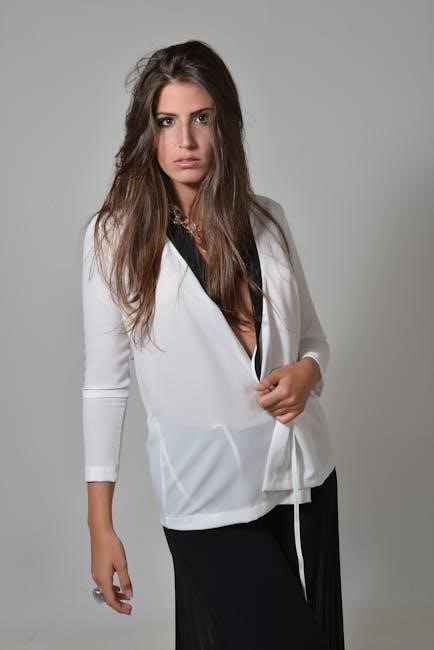
Slim fit blazers offer a modern, tailored silhouette, closely following the body’s natural shape. They feature a narrower cut through the chest, waist, and sleeves, creating a streamlined appearance. This style is best suited for individuals with a leaner build, emphasizing a contemporary aesthetic.
Expect a more defined waist and a closer fit across the shoulders. Slim fit blazers are ideal for making a fashion-forward statement, pairing well with fitted trousers or chinos.
Modern Fit Blazers
Modern fit blazers strike a balance between classic and slim styles, offering a contemporary yet comfortable silhouette. They provide a slightly tailored look without being overly restrictive, accommodating a broader range of body types. Expect a moderate shape through the chest and waist.
This versatile fit is suitable for various occasions, from business casual to smart-casual events. Modern fit blazers offer a refined appearance while allowing for ease of movement and layering.
Understanding Sleeve Length Variations
Sleeve length is crucial for a well-fitted blazer, impacting overall appearance and comfort. Regular length sleeves typically end at the wrist bone, allowing about half an inch of shirt cuff to show. Short sleeve blazers are less common, offering a more casual aesthetic.
Long sleeve variations may require tailoring for a precise fit. Proper sleeve length ensures freedom of movement and a polished, professional look. Consider your height and arm length when selecting a blazer.
Regular Sleeve Length
A regular blazer sleeve length is the most common and versatile option, designed to complement a standard build. Ideally, the sleeve should reach the wrist bone, allowing approximately ½ to ¾ of an inch of the shirt cuff to be visible.
This exposure of the shirt cuff adds a touch of sophistication and prevents the blazer from appearing too short or overwhelming the hand. Regular length sleeves offer a balanced and classic silhouette, suitable for various occasions.
Short Sleeve Length

Short sleeve blazers offer a more contemporary and relaxed aesthetic, typically ending several inches above the wrist. This style is ideal for warmer climates or those preferring a less formal look. However, ensuring a proper fit is crucial; sleeves shouldn’t be excessively short, appearing disproportionate.
A well-fitted short sleeve blazer showcases the forearm, creating a modern silhouette. Consider body proportions when choosing this length, as it may not suit all builds equally.
Long Sleeve Length

Traditional long sleeve blazers are a versatile choice, generally ending at the wrist bone with about half an inch of shirt cuff visible. This length complements both formal and casual attire, offering a polished appearance. Proper fit is paramount; sleeves should allow for comfortable movement without bunching.
A well-fitted long sleeve blazer enhances the overall silhouette, creating a streamlined look. Consider the jacket’s style and your body type when determining the ideal sleeve length for a sophisticated finish.

Troubleshooting Common Blazer Fit Issues
Even with careful measurements, fit issues can arise. Shoulder fit is crucial; pulling or gaping indicates a poor size. Sleeves too long necessitate tailoring, while short sleeves look disproportionate. A tight chest restricts movement, demanding a larger size, whereas looseness requires adjustments.
Addressing these problems ensures a flattering silhouette. Professional tailoring is often the best solution for achieving a perfect fit, enhancing both comfort and style.
Shoulder Fit Problems
Incorrect shoulder fit is a common blazer issue. If the shoulder seams extend beyond your natural shoulder, the blazer is too large, creating a sloppy appearance. Conversely, seams digging into your shoulders indicate a size that’s too small, restricting movement and comfort.
A proper fit aligns the shoulder seam with your shoulder’s edge. Tailoring can sometimes correct minor discrepancies, but significant shoulder adjustments are complex and costly.
Sleeve Length Too Long/Short
Sleeve length significantly impacts a blazer’s overall aesthetic. Ideally, about ¼ to ½ inch of shirt cuff should be visible beyond the blazer sleeve. Sleeves that are too long appear sloppy and can hinder movement, while sleeves too short look disproportionate.
Adjusting sleeve length is a common tailoring alteration. Consider your shirt sleeve length when assessing the blazer fit; longer shirt sleeves require slightly longer blazer sleeves.
Blazer Too Tight/Loose in the Chest
A properly fitted blazer allows comfortable movement without strain across the chest. Tightness restricts arm movement and creates an unflattering silhouette, often indicated by button pulling. Looseness suggests a larger size is needed, resulting in a boxy appearance.
Check for a clean line across the chest when buttoned; the blazer should lie flat. Tailoring can adjust the chest fit by taking in or letting out seams, ensuring a refined look.
International Blazer Size Conversions
Blazer sizes vary across regions, necessitating accurate conversions for a perfect fit. US to UK conversions generally involve subtracting sizing numbers (e.g., US 40R equates to UK 38R). US to European conversions are less direct, requiring chart references due to differing standards.

Always consult specific brand charts as variations exist. Consider chest measurements when converting, as this is the primary sizing factor. Online tools can assist, but professional fitting is recommended for precision.
US to UK Conversion
Converting US blazer sizes to UK sizes is typically straightforward, involving a subtraction of approximately two sizes. For instance, a US size 40 Regular (40R) generally corresponds to a UK size 38R. However, this is a guideline, and discrepancies can occur between brands.
Always prioritize chest measurements for accurate conversion. Refer to the specific brand’s size chart whenever possible, as UK sizing can vary. Consider the ‘R’ (Regular) or ‘L’ (Long) designation for sleeve length consistency.
US to European Conversion
Translating US blazer sizes to European sizing requires careful attention, as the systems differ significantly. Generally, a US size 40 equates to a European size 50, but this isn’t universally consistent. European sizes often utilize a numerical system, while US sizes blend numerical and letter designations.
Chest measurements are crucial for accurate conversion. Always consult the specific brand’s size chart to avoid errors, as European sizing can vary widely. Remember to account for any ‘R’ (Regular) or ‘L’ (Long) sleeve length indicators when comparing sizes.
Blazer Fabric & Its Impact on Fit
Blazer fabric dramatically influences how a garment fits and feels. Stretch fabrics, like those with elastane, offer more flexibility and a closer fit, potentially allowing for a slimmer silhouette. Structured fabrics, such as heavier wools, maintain their shape and require more room for comfortable movement.
Consider the fabric’s weight and drape when selecting a size. Lighter fabrics may cling more, revealing fit imperfections, while heavier fabrics can add bulk. Always prioritize shoulder fit, as alterations are more challenging with structured materials.

Stretch Fabrics
Blazers incorporating stretch fabrics—like blends with elastane or spandex—offer enhanced comfort and flexibility. These materials conform to the body, allowing for a closer, more modern fit without restricting movement. However, this flexibility means sizing is crucial; a too-large stretch blazer can lose its shape.
Consider a slightly snugger fit with stretch fabrics, as they will give a bit with wear. Pay close attention to the chest and shoulders, ensuring a smooth, unwrinkled appearance. Avoid overly tight fits, which can compromise comfort and appearance.
Structured Fabrics
Blazers crafted from structured fabrics—such as wool, tweed, or heavier cotton blends—maintain a defined shape and require a more precise fit. These materials offer less give, meaning accurate measurements are paramount to avoid discomfort or a distorted silhouette. A well-fitted structured blazer should lie flat against the shoulders and chest.
Allow for a comfortable range of motion, but avoid excessive looseness, which can appear sloppy. Consider tailoring for a truly bespoke fit, especially in the shoulders and waist. Prioritize a clean line and a polished appearance with structured fabrics.
Where to Find Accurate Size Charts (Brand Specific)
Accurate sizing varies significantly between brands; relying on generic charts can be misleading. Department store websites often provide size guides, but these are generalizations. The most reliable source is the specific brand’s size chart, usually found on their website or product pages.
Online retailers like those specializing in women’s suits or men’s blazers will have detailed charts. Always check the ‘sizing’ or ‘fit guide’ section before purchasing. Comparing your measurements to the brand’s chart ensures a better fit and reduces returns.
Department Store Size Charts
Department stores offer generalized size charts as a starting point, but remember these are averages across multiple brands. They typically categorize sizes based on chest/bust measurements, providing a basic conversion to standard US/UK sizing. However, fit can vary greatly depending on the manufacturer.
Utilize these charts for initial estimations, but always prioritize checking the specific brand’s sizing guide when available. Department store associates can also assist with measuring and finding appropriate sizes, though their expertise may be limited.
Online Retailer Size Charts
Online retailers frequently provide detailed size charts, often brand-specific, which is a significant advantage. These charts usually include measurements for chest, waist, shoulders, and sleeve length, allowing for a more precise fit prediction. Look for “fit guides” or “sizing information” linked on the product page.
Many retailers also incorporate customer reviews mentioning sizing accuracy, offering valuable real-world insights. Don’t hesitate to utilize virtual fitting tools if available, and always confirm return policies before purchasing.